The 7-Second Rule: How to Test Hot Pavement for Your Dog
What is the 7-second rule for dogs? To perform the 7-second rule, press the back of your bare hand firmly against the pavement in direct sunlight. If you cannot hold it there for seven full seconds because it is too painful, the pavement is dangerously hot and will burn your dog's paws. Do not walk your dog until it cools down.
Recommended Gear
Sponsored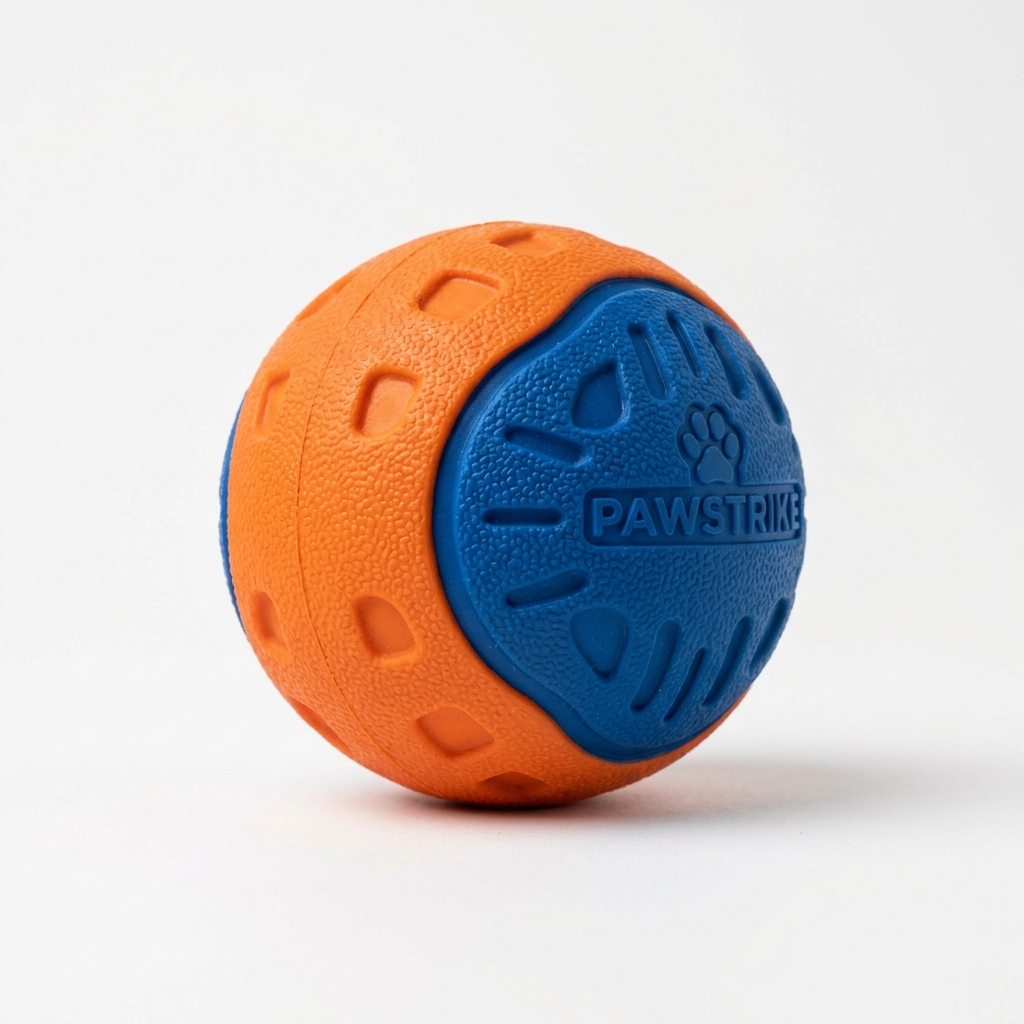
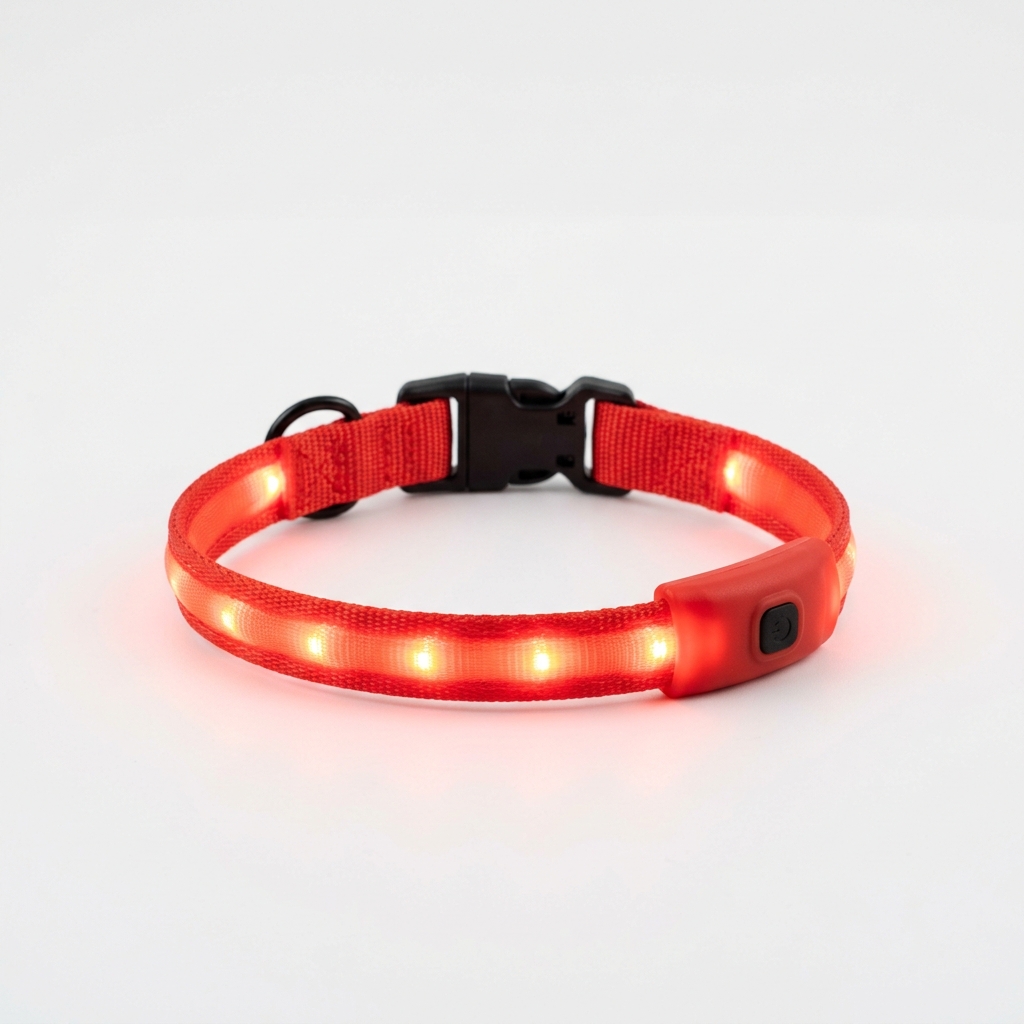
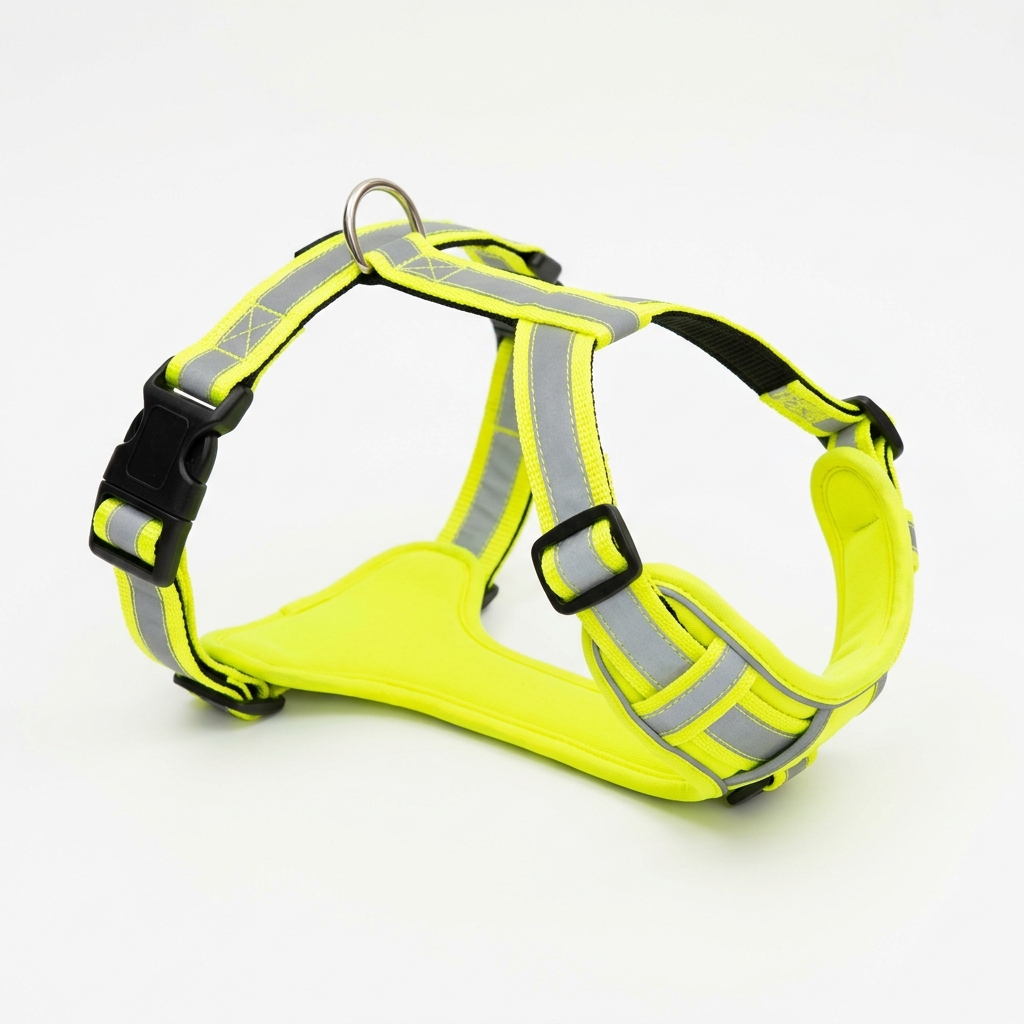
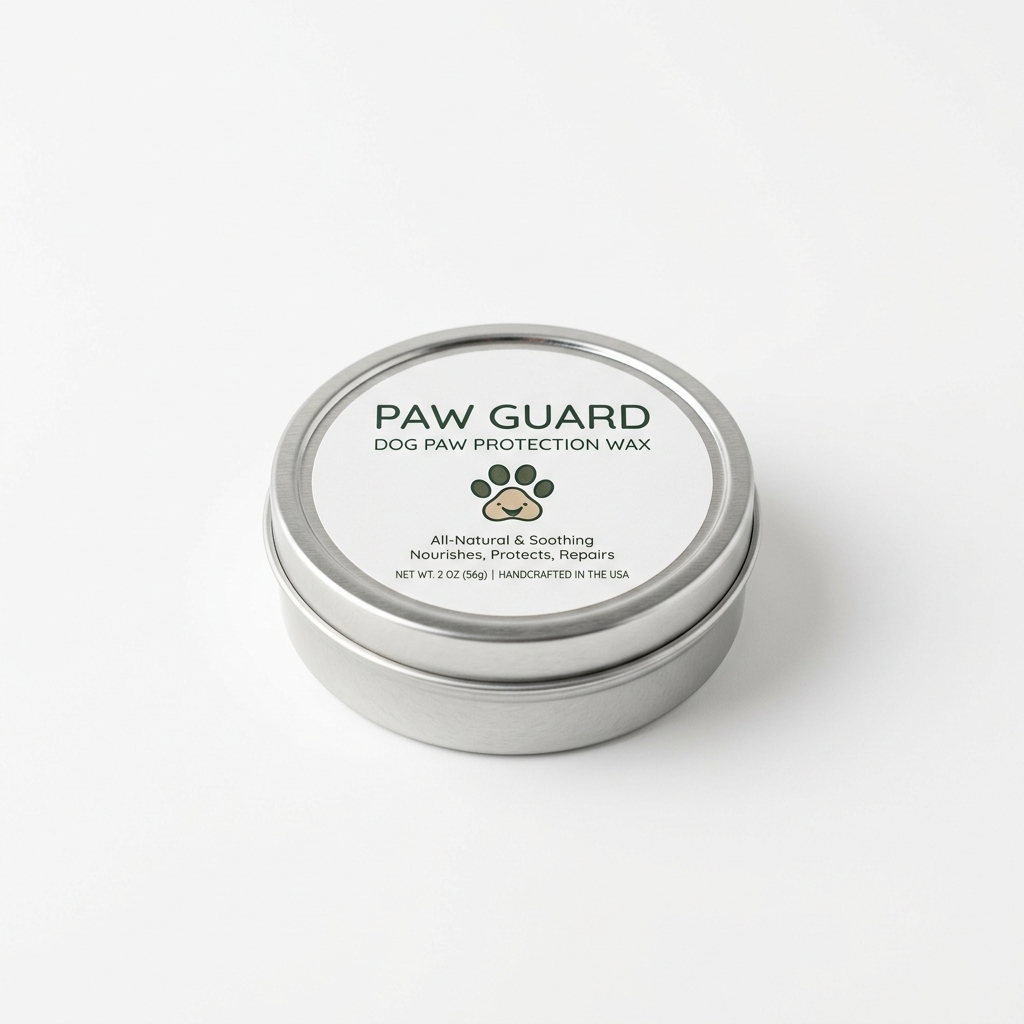
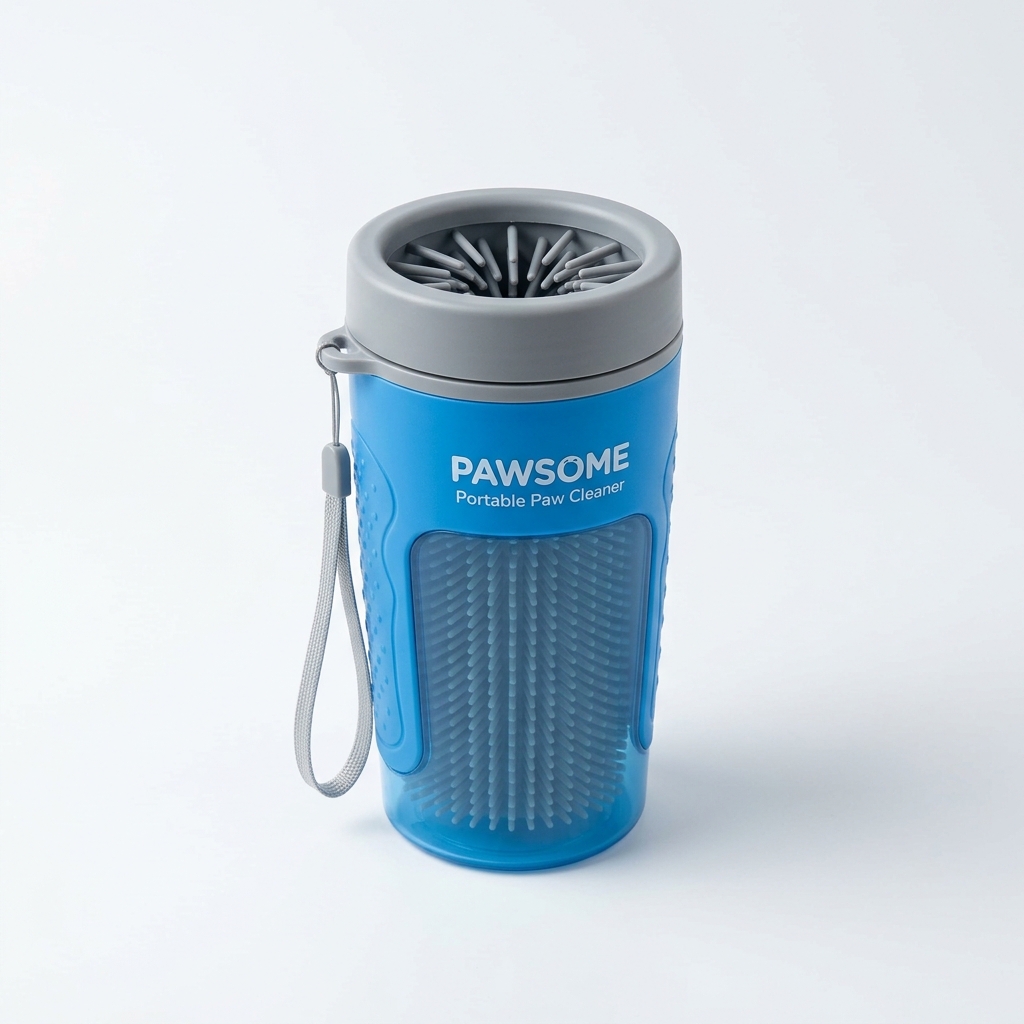
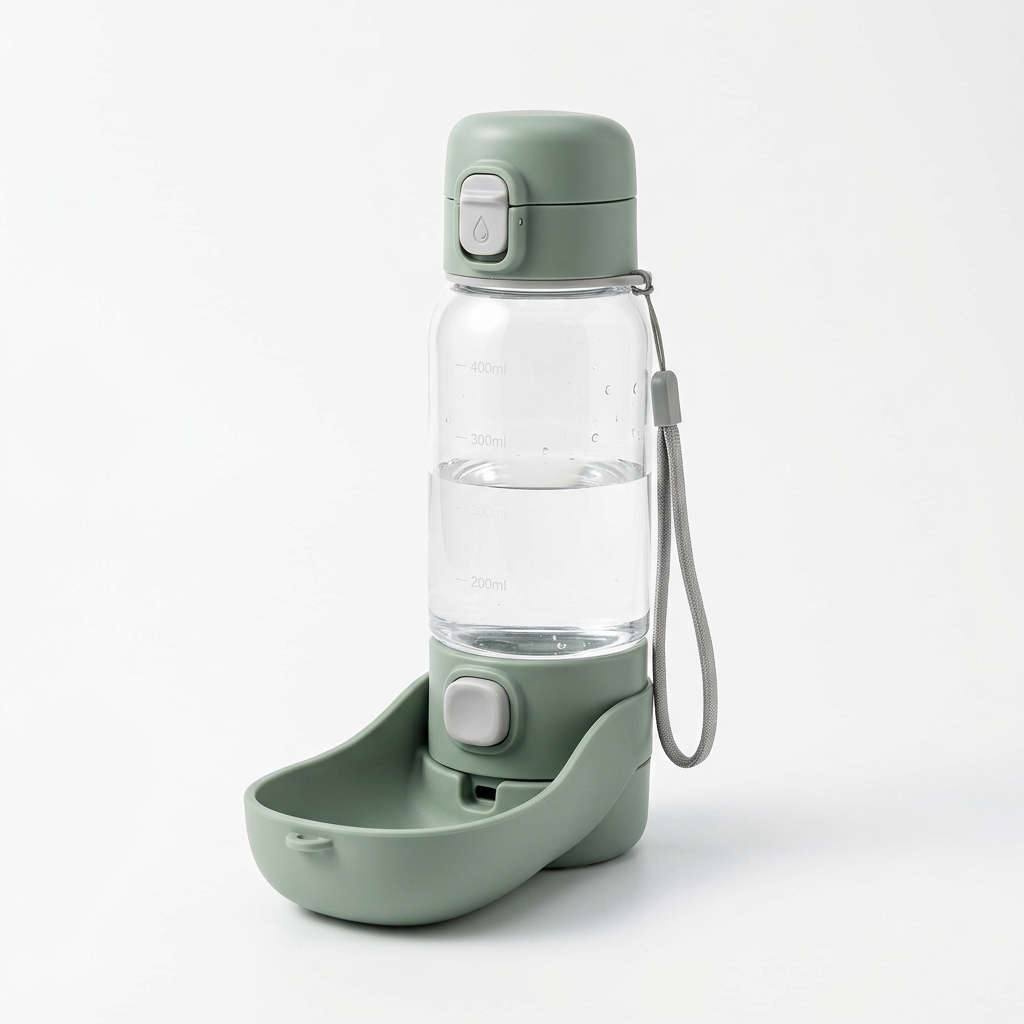
Instead of guessing, you can always check our real-time Pavement Temperature Forecast Tool to see exactly when it's safe to walk in your zip code.
Every summer, emergency veterinary clinics are flooded with dogs suffering from severe pad burns because their owners misjudged the temperature of the asphalt. Weather apps only provide air temperature, which is highly misleading. Pavement exposed to direct sunlight can be up to 60 degrees hotter than the ambient air.
How Do You Perform the 7-Second Rule?
The execution of the 7-second rule is straightforward, but it must be done correctly to ensure accuracy. Find a patch of pavement in direct sunlight that you plan to walk your dog across. Place the back of your bare hand firmly against the surface. Hold it there and count slowly to seven.
Why the back of the hand? The skin on the back of your hand is thinner and more sensitive than the calloused skin on your palms. This makes it a much closer proxy to the sensitivity of a dog's paw pads. If the pavement fails the test, abort the walk. Carry your dog to a grassy area and wait for the sun to go down before trying again.
What is the Best Gear to Protect Dog Paws from Heat?
If you absolutely must walk your dog during warmer hours (e.g., for a quick bathroom break), or if the pavement fails the 7-second rule, you need to protect their paws. Here are the top veterinarian-recommended solutions:
- Dog Booties for Summer: Look for breathable, heat-resistant booties with rubber soles. (Check out our Top Summer Bootie Recommendations on Amazon).
- Paw Wax (Musher's Secret): Originally designed for sled dogs, paw wax forms a semi-permeable shield over the pad. It's excellent for brief walks on hot sand or warm (but not burning) pavement. (View on Amazon).
- Cooling Vests: Remember, if the pavement is hot, the ambient heat radiating upward can cause heatstroke. A reflective cooling vest helps keep their core temperature down. (View on Amazon).
Why Can't You Trust the Air Temperature?
If the weather forecast says it's 75°F outside, it is perfectly safe to walk your dog, right? Wrong.
Air temperature is measured in a shaded box, suspended above the ground, with steady airflow. Pavement, particularly black asphalt in cities like Phoenix or Las Vegas, acts as a heat sink. It absorbs solar radiation from the sun and traps it.
Veterinary research has shown that at a comfortable 77°F air temperature, black asphalt in direct sunlight can reach 125°F[^1]. Tissue destruction in a dog's paw pad begins at 140°F, a temperature the asphalt will easily reach once the air temperature hits 86°F. This is why testing the ground—or checking the PawsForecast Tool-is non-negotiable.
How Do Different Pavement Surfaces Affect Heat Risk?
- Black Asphalt: The most dangerous surface. Dark colors absorb the maximum amount of solar radiation.
- Concrete: Generally lighter in color and stays slightly cooler than asphalt, but can still cause significant burns on a 90-degree day.
- Artificial Grass/Turf: Synthetic turf is notorious for reaching scorching temperatures, sometimes exceeding asphalt, due to the plastic retaining intense thermal energy.
Sources & References
[^1]: Berens, J., "Thermal Injury to the Canine Paw Pad," Journal of the American Veterinary Medical Association, 2001.
Protect Your Dog's Paws Today
Always check the PawsForecast dashboard before heading out to get a real-time estimate of the pavement temperature in your exact location!
Check Live Pavement Temp